Pizza Place Cheyenne Inspiration for Your Next Dinner Out
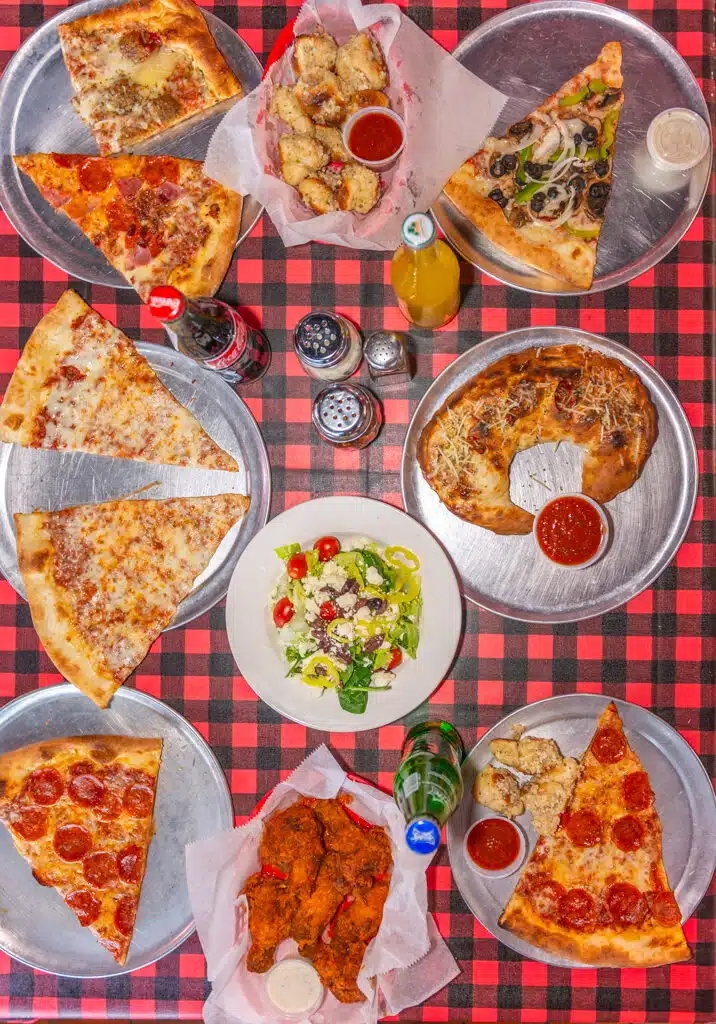
Choosing where to go for dinner sounds simple until everyone involved wants something different. One person wants a crisp, thin crust. Another wants deep layers of cheese and sauce. Someone else cares less about the pizza itself and more about whether the room feels relaxed, the service moves at a good pace, and there is something decent to drink while waiting for the food. That is part of what makes a night out at a pizza place in Cheyenne such a reliable idea. Pizza has range. It can handle a casual family meal, a low-key date, a group dinner after a game, or a solo stop at the end of a long day.
Cheyenne is the kind of city where dinner out is often about more than eating quickly and moving on. People notice whether a place feels welcoming. They notice whether the staff remembers regulars, whether the tables are set close enough to feel lively but not cramped, and whether the kitchen understands that a pizza is not just dough with toppings. The best pizza dinners come from places that get the details right, from the chew of the crust to the timing between ordering and that first hot slice landing on the table.
If you are looking for pizza place Cheyenne inspiration, it helps to think beyond the basic question of where to eat. A better question is what kind of dinner you want the evening to become. Pizza can be comfort food, celebration food, or practical weeknight food. The right restaurant can turn an ordinary meal into the easiest good decision you make all week.
Why pizza works so well for dinner out
Pizza earns its place as a default dinner option because it solves several problems at once. It is shareable without feeling impersonal. It suits picky eaters and adventurous diners in the same meal. It can be modest and familiar, or surprisingly refined when the kitchen pays attention to ingredients, fermentation, and heat.
That flexibility matters when a group is trying to agree on a restaurant. Steakhouses can get expensive fast. Sandwich shops often feel too rushed for a true evening out. Some sit-down restaurants ask for more time and commitment than people have on a Tuesday. A solid pizza place threads the needle. You can settle in for a full meal with appetizers and dessert, or keep it simple with one pie and a couple of drinks.
There is also the sensory side of it, which people sometimes underestimate. The smell of baking dough, toasted flour, garlic, and bubbling cheese creates anticipation in a way few foods can. You hear plates moving, ovens opening, conversations lifting and falling across the room. A good pizzeria feels active, but not chaotic. That rhythm is part of why pizza nights often feel easier than other restaurant outings. There is less pressure. You can talk, split slices, order another pizza if needed, and stay as long as the room invites you to.
What separates an average pizzeria from one worth revisiting
A pizza dinner can disappoint for a dozen small reasons. The crust can taste flat. The sauce can lean sugary instead of balanced. Toppings can be piled on without restraint, leaving the center wet and limp. Service can lag just enough to make the night feel disjointed. Most people know that feeling, the sense that the meal was fine, but not memorable.
The places that earn repeat visits tend to do a few things exceptionally well. First, they understand dough. That sounds technical, but diners can tell immediately when the foundation is right. Good dough has structure and flavor. Even if you are not the sort of person who talks about fermentation, you know when the crust has that slight tang, that airy edge, that crisp underside that keeps a slice from folding into itself.
Sauce matters just as much. A competent sauce supports the toppings rather than drowning them. It should taste like tomatoes, herbs, and seasoning in proportion, not like sweetened paste poured from a can. Cheese should stretch, brown in spots, and carry flavor. Better kitchens know that the cheese blend changes the whole pie. Some use mozzarella alone for clean melt and mild richness. Others add provolone or parmesan for bite and depth.
Then there are the less obvious elements: oven heat, topping distribution, and timing. A pizza that sits too long before hitting the table loses some of its magic. Steam softens the crust. Cheese firms up. The top cools while the base traps moisture. Restaurants that move with discipline tend to serve pizza at its best. You taste that difference in the first minute.
The atmosphere changes the meal more than people expect
When people search for a pizza place Cheyenne option, they often start with menu photos. That makes sense, but ambiance deserves equal weight. Pizza is deeply tied to mood. The same pie can feel merely adequate in a room that is too loud, too bright, or too hurried, and completely satisfying in a room that knows what kind of evening it is trying to host.
For families, space matters. Parents notice whether there is enough room for jackets, booster seats, and a little chaos without side-eye from neighboring tables. For couples, lighting and noise matter more. A lively dining room is welcome. Shouting over dinner is not. For groups, the ideal place balances energy with comfort and can handle multiple orders without turning the experience into cafeteria logistics.
One of the easiest mistakes diners make is choosing the restaurant solely on reputation for food without thinking about context. A pizzeria that is perfect for takeout on a snowy evening may not be the best setting for a birthday dinner. Another place might serve a slightly less dramatic pizza but offer smoother service, better seating, and a more enjoyable pace for a long meal. Experience has taught many diners that a successful dinner out depends on the whole package, not one standout dish.
Different dinner moods call for different kinds of pizza nights
Not every pizza outing should look the same. Some evenings ask for comfort and speed. Others deserve a little more ceremony. When you know the kind of night you want, choosing becomes much easier.
A weeknight family dinner often works best at a place where the menu is broad enough to handle differing tastes. One child wants plain cheese, another wants pepperoni, and the pizza place cheyenne adults might want mushrooms, sausage, olives, or something with a little heat. The best family-friendly spots understand that nobody wants to negotiate toppings for twenty minutes when everyone is already hungry.
A date night pizza dinner is a different animal. Here, small details matter more. Maybe the place pours decent wine or local beer. Maybe the crust has enough character to start conversation on its own. Maybe there is a starter worth sharing, like a crisp salad or baked appetizer that does not feel like an afterthought. Pizza works well on dates because it lowers the temperature of the evening. It feels grounded. There is pleasure in sharing a pie rather than navigating formal courses.
Then there are group dinners, where practicality starts to matter. Large tables need kitchens that can stage orders sensibly. Nobody wants one pizza arriving fifteen minutes before the next. Good pizzerias have systems for this. They know how to send out salads and starters while the oven queue moves. They know that a group meal succeeds when everyone feels served at roughly the same time.
How to read a menu like someone who has done this before
A pizza menu reveals more than it seems. You can often tell whether a place takes pride in the craft by how it describes the pies. Menus that focus only on massive topping counts may be leaning on quantity rather than balance. Menus that show thought in the combinations usually point to a kitchen that has tested what works.
Pay attention to the crust options. A restaurant that offers one style and does it well can be a better bet than one offering several mediocre versions. If you see specialty pies with ingredients that make sense together, such as salty meats balanced by acidity or richness offset by heat, that is usually a good sign. If every specialty pizza reads like a dare, the kitchen may be chasing novelty over flavor.
Appetizers also tell a story. A place that handles a simple salad, breadsticks, or baked wings well tends to care about consistency. Dessert can be another clue. Even a small dessert menu suggests the restaurant expects people to linger, not just eat and leave.
One practical tip from years of dining out: ask how large the pizzas really are before ordering for a group. Restaurants define small, medium, and large differently. A twelve-inch pizza at one place may feed two comfortably, while at another it is more of a personal pie with leftovers unlikely. Staff usually know exactly how many adults a pie can serve under normal appetites. That question saves money and keeps the table from overordering.
Classic orders still hold up for a reason
There is a temptation to overcomplicate pizza night, especially when a menu is full of specialty creations. Sometimes the most satisfying meal comes from staying close to the classics. A well-made cheese pizza tells you almost everything you need to know about a pizzeria. It leaves nowhere to hide. Crust, sauce, cheese balance, bake quality, all of it is exposed.
Pepperoni remains a benchmark for similar reasons. It tests whether the oven can render the edges properly, whether the grease stays in check, and whether the salt level works with the cheese rather than overwhelming it. Sausage and mushroom is another smart order when you want substance without losing balance. The earthiness of mushroom can round out fennel-heavy or savory sausage in a way that feels complete.
That said, there is real pleasure in one adventurous pie on the table, especially in a group. A pizza with roasted vegetables, hot honey, spicy peppers, or a white sauce can turn dinner into more of an occasion. The key is pairing curiosity with common sense. If half the table is cautious, do not make the only pie a high-risk experiment.
A few combinations that usually make the night easier
- For two adults, one pizza plus a salad often feels more balanced than two separate pies.
- For families, ordering one familiar pie and one more adventurous one keeps everyone happy without turning dinner into compromise fatigue.
- For a group of four to six, a mix of meat-heavy, vegetable-forward, and simple cheese or pepperoni usually covers the table well.
- If the restaurant offers half-and-half toppings on larger pies, it can be the best value when tastes split down the middle.
- When in doubt, underorder slightly at first and add one more pie if needed. Fresh pizza arriving second is better than too many cooling slices at once.
Dine-in versus takeout, and why the choice matters
Pizza is one of the few foods that travels fairly well, but not all pizza travels equally. Thin crust often softens in the box if steam cannot escape. Heavily topped pizzas can shift during the drive. Pan-style or thicker crusts tend to hold up better for takeout, especially if the trip home is more than ten or fifteen minutes.
Dine-in offers obvious advantages. You get the pizza at peak temperature, the crust remains crisp, and the whole experience feels more generous. If your goal is a true dinner out, eating on site is usually the better move. You also gain access to drinks poured properly, appetizers served fresh, and the pace of a restaurant meal rather than the slight scramble of unpacking boxes on a kitchen counter.
Takeout wins on convenience, especially on cold nights or busy weekends. In a place like Cheyenne, weather can make that choice for you. Wind, snow, or a packed schedule changes the equation. If you are ordering out, ask for the pizza to be cut in a way that fits your household. Fewer, larger slices often hold heat longer. Leaving the box cracked open for a minute when you get home can help preserve the crust by releasing steam.
Drinks, sides, and the details that round out the meal
The supporting cast matters more than people think. A pizza dinner becomes more complete when the sides and drinks suit the pie rather than competing with it. Crisp salads do useful work here. They cut richness and make the meal feel more balanced. Garlic bread and breadsticks can be satisfying, though they can also tip the meal into excess if the pizza itself is already heavy.
Beverages deserve more thought than soda by default. Beer remains a natural partner for many pizzas because carbonation and bitterness help with fatty toppings and melted cheese. Wine can be excellent too, especially with simpler pies where tomato, basil, garlic, or cured meats come through clearly. Even sparkling water has a role. It resets the palate between slices and keeps the meal from feeling too dense.
Dessert depends on the table. After a lighter pizza, a shared dessert can finish the night nicely. After a full round of thick crust and multiple toppings, most people are better off walking out satisfied rather than stuffed. Seasoned diners know the difference.
Service is not secondary, it shapes the whole dinner
People often talk about restaurants as if kitchen quality exists apart from service. In reality, the two are inseparable during a dinner out. Friendly, attentive service can lift a good meal into a memorable one. Disorganized service can flatten even a very competent pizza.
At a pizzeria, timing is everything. Drinks should arrive quickly. Orders should be confirmed clearly, especially when substitutions or split toppings are involved. Pizzas should land hot and with confidence. Staff do not need to hover, but they do need to read the table. Families may need extra napkins before asking. Groups may need plates reset and refills handled efficiently. Couples may prefer a little more space between check-ins.
One mark of a well-run place is how it handles the small mistake. Maybe a topping was missed, or a pizza came out more done than requested. Good restaurants fix issues without defensiveness. That grace matters. Diners are rarely expecting perfection. They are looking for competence and care.
When the best choice is the simplest one
There is a point at which searching for the ideal restaurant becomes a burden. People compare menus, scan reviews, debate neighborhoods, and burn half an hour before anyone has eaten. Pizza succeeds partly because it cuts through that friction. A dependable pizza place Cheyenne option does not need to reinvent dinner. It just needs to deliver flavor, comfort, and a room where people want to stay.
That is often what people are really after. Not just a meal, but relief from decision fatigue. A place where there is enough variety to please a table, enough consistency to inspire confidence, and enough atmosphere to make the evening feel intentional. The best pizzerias provide exactly that. They turn a practical choice into a genuinely enjoyable outing.
Making your next pizza night worth remembering
If you want your next dinner out to feel a little better than routine, start by matching the restaurant to the moment. Think about who is coming, how long you want to stay, and whether the night calls for speed, comfort, or a touch of occasion. Order with balance in mind. Let one pie be classic. Let another show some ambition. Do not ignore salads, drinks, or the room itself.
Most of all, trust the places that feel practiced rather than flashy. Great pizza restaurants rarely rely on gimmicks. They earn loyalty through repetition done well: dough with character, sauce with balance, heat applied with confidence, and hospitality that makes you glad you chose to eat there instead of at home.
That is the real appeal behind a strong pizza place in Cheyenne. It is not just that pizza tastes good, though of course it does. It is that the right pizzeria makes dinner feel easy, generous, and satisfying in a way few other restaurants can. For your next night out, that may be all the inspiration you need.
Ruffrano's Hell's Kitchen Pizza Cheyenne
Address: 1670 E Cheyenne Mountain Blvd, Colorado Springs, CO 80906
Phone number: +17195764355
FAQ About Pizza Place Cheyenne
What's the most popular pizza place?
The "most popular" pizza place depends on whether you measure by location count, total sales, or customer favorite status.
What is the 2 pizza rule?
The two-pizza rule is a management principle made popular by Amazon founder Jeff Bezos. It states that a team or meeting should never be larger than what can be fed with two large pizzas—typically translating to a group of 5 to 10 people (or roughly 6 to 12 people depending on appetites).
Is 2 pizzas enough for 10 people?
No, 2 pizzas are usually not enough for 10 people.